Latest Insights
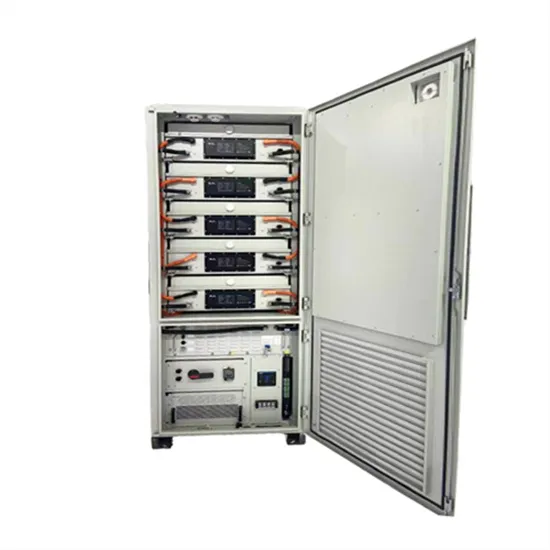
Double-glass polycrystalline photovoltaic modules
Double-glass solar modules are made up of two layers of tempered glass that cover both sides of the solar panel. As snow accumulates on a typical solar panel or people stomp on it (during installation), the solar cells bend dramatically, resulting in microcracks on the cells. . There is a clear distinction between single and double glass solar panels. This difference should be clear by this- . The front surface of double glass mono solar cells has an emitter layer and the back side has a dark covering. Passivated Emitter and Rear. . Typically, solar panels have a front glass panel and a back plastic sheet. These single-sided glass panels are supported by frames across the.Read More Download files
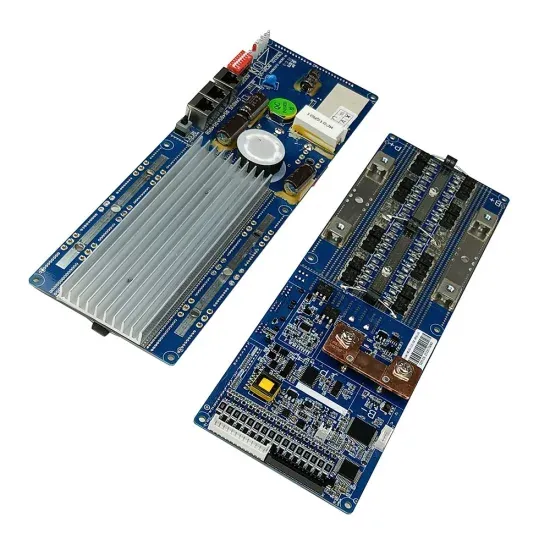
350W polycrystalline photovoltaic panel size
A 350 watt solar panel typically measures 67 inches long and 40 inches wide, and weighs around 40 lbs. Monocrystalline modules with this wattage have 60 or 72 cells, while polycrystalline modules have 72 or 96 cells. The average solar panel size for residential use is around 16.5 square feet.Read More Download files
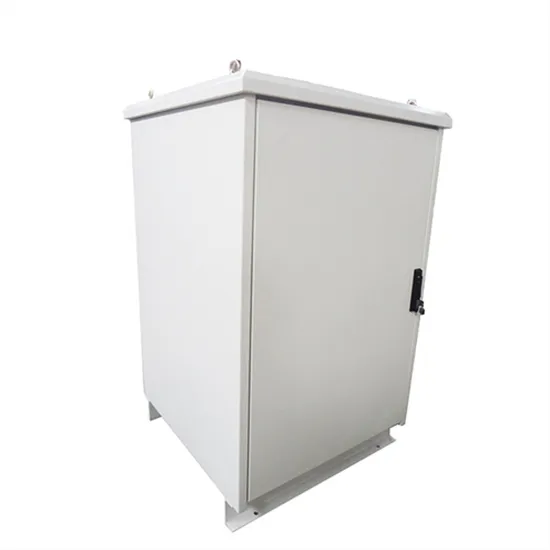
245w photovoltaic panels are monocrystalline or polycrystalline
If you want one sentence: choose monocrystalline when roof space, appearance, or higher watts per square foot matter. Choose polycrystalline when you have abundant roof area and want the lowest upfront panel cost. Small roof or limited space: choose monocrystalline for higher watts per square foot.Read More Download files
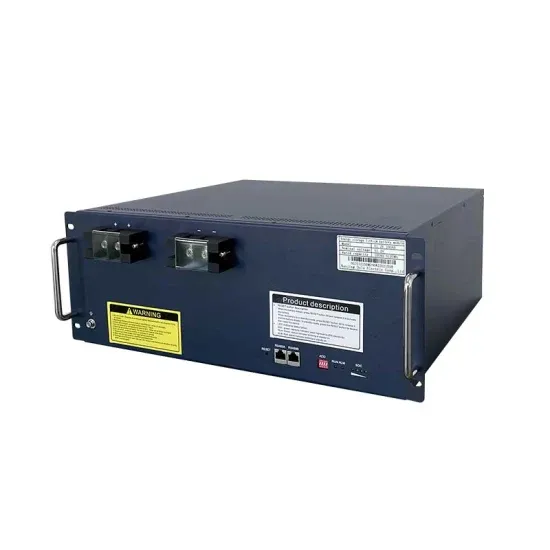
Photovoltaic panel monocrystalline and polycrystalline attenuation rate
Although monocrystalline have higher efficiency rates, the difference between mono and polycrystalline cells isn’t that big. Most polycrystalline PV cells have efficiencies between 13% to 16%, which is still a.Read More Download files
Appearance of monocrystalline and polycrystalline photovoltaic panels
Monocrystalline panels are known for their higher efficiency and sleek black appearance, achieved through the use of single-crystal silicon cells, while polycrystalline panels offer a cost-effective alternative with a blue-speckled appearance, using silicon fragments melted together.Read More Download files